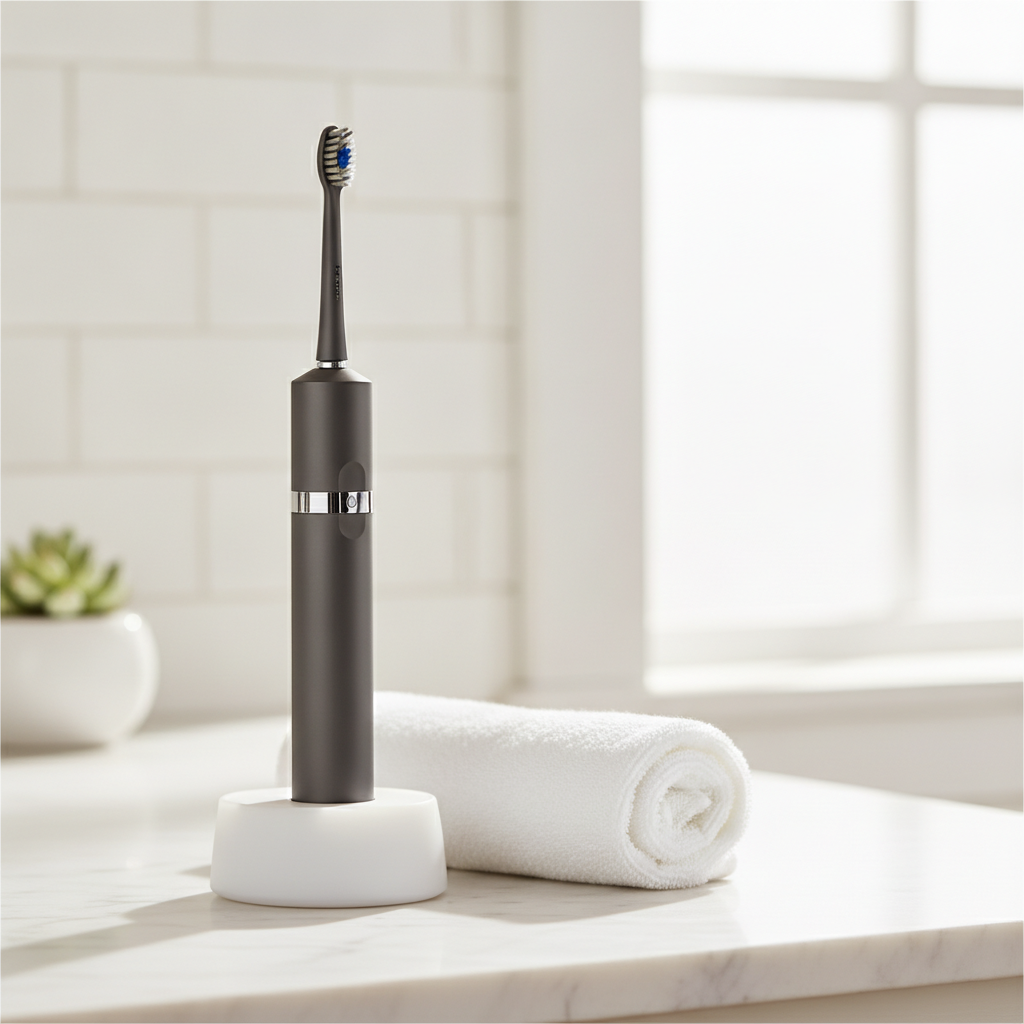
Best Electric Toothbrushes (2026)
Electric toothbrushes in this lineup range from about $50 for a reliable everyday model to $250 for a premium brush with app coaching and a full travel kit. They make a surprisingly good gift for almost anyone, since a genuinely better brush is something people notice within days of switching. The real differences come down to how many cleaning modes are on offer, how long the battery lasts between charges, and whether a proper travel case is included. Sensitive-teeth users care most about gentle modes, while some buyers just want the cleanest possible feel twice a day. We picked five real electric toothbrushes that each suit a different kind of user.
At a glance
| Machine | Cleaning modes | Battery | Timer | Travel case | Best for |
|---|---|---|---|---|---|
| Oral-B iO Series 9 | 7 modes including sensitive and whitening | About 2 weeks per charge | Smart timer with app coaching | Charging travel case included | All-around brushing with real-time coaching |
| Sonicare DiamondClean 9700 | 4 modes including whitening and gum care | About 3 weeks per charge | Smart timer with quadrant pacing | Wireless-charging travel case included | Surface stain whitening over time |
| Oral-B Pro 1000 | 1 mode, daily clean | About 1 week per charge | Basic 2-minute timer | Not included | First-time electric brush upgrade on a budget |
| Sonicare ProtectiveClean 6100 | 3 modes including sensitive and white | About 2 weeks per charge | Smart timer with quadrant pacing | Basic travel case included | Sensitive teeth and gentle daily cleaning |
| Waterpik Sonic-Fusion 2.0 | 3 modes plus adjustable water pressure | About 1 week per charge | Smart timer | Not included | Combining brushing and flossing into one step |
Oral-B iO Series 9
Oral-B's iO Series 9 pairs a genuinely smooth round brush head with a color-coded pressure sensor that makes it obvious when you are brushing too hard. The app tracks coverage across your mouth in real time, which sounds gimmicky until it actually catches the spots you consistently miss. Battery life easily covers two weeks of twice-daily brushing. It is priced at the top of this category, but the combination of tech and comfort makes it the easiest recommendation for most people.
Pros
- App coaching genuinely improves brushing habits
- Pressure sensor prevents overbrushing gums
- Long battery life between charges
Cons
- Among the priciest options in this category
- App features require a phone nearby to matter
Sonicare DiamondClean 9700
Sonicare's vibration-based cleaning takes a different approach than Oral-B's rotating heads, and the DiamondClean 9700 leans into that with a dedicated whitening mode that noticeably brightens surface stains over a few weeks of use. The travel case doubles as a wireless charger, a nice touch for anyone who travels often. Multiple intensity settings make it easy to dial back for sensitive mornings. Coffee and tea drinkers looking for a visible improvement will likely notice this one first.
Pros
- Dedicated whitening mode shows visible results
- Excellent battery life between charges
- Travel case doubles as a charger
Cons
- Vibration feel takes adjustment for former manual-brush users
- Replacement heads cost more than some competitors
Oral-B Pro 1000
The Pro 1000 strips away the app and extra modes to focus on what actually matters most, a reliable round brush head with a built-in pressure sensor at a genuinely low price. It lacks the whitening mode and travel case of pricier models, but the core cleaning performance is nearly identical to Oral-B's flagship. This is the gift for someone switching from a manual toothbrush for the first time who just wants a noticeable upgrade without a big price tag attached.
Pros
- Reliable core cleaning at a low price
- Pressure sensor included despite the budget price
- Simple, no-fuss operation
Cons
- No travel case included
- Shorter battery life than premium models
Sonicare ProtectiveClean 6100
The ProtectiveClean 6100 dials in a genuinely gentle sensitive mode alongside its everyday clean setting, which matters a lot for anyone who winces at a stiff manual brush. The pressure sensor lights up before you press too hard rather than after, giving a useful early warning. It includes a basic travel case, a nice bonus at this price. Anyone gifting for someone with sensitive gums or recent dental work should lean toward this one.
Pros
- Genuinely gentle sensitive mode
- Early-warning pressure sensor protects gums
- Includes a travel case at a mid-range price
Cons
- Fewer modes than flagship models
- Battery life shorter than premium Sonicare models
Waterpik Sonic-Fusion 2.0
Waterpik took a different route entirely by combining a sonic toothbrush with a built-in water flosser in one handle, cutting a step out of the nightly routine. It takes a bit of practice to manage both functions at once without water going everywhere, but once dialed in it is a genuine time saver. Cleaning performance holds up well against dedicated sonic brushes. Anyone who has been meaning to floss more consistently but never sticks with it should consider this one.
Pros
- Combines brushing and flossing in one device
- Adjustable water pressure suits sensitive gums
- Cuts a step out of the nightly routine
Cons
- Learning curve for using both functions cleanly
- Larger handle and reservoir than a standard brush
How to choose
Rotating brush heads or sonic vibration: which is better?
Both technologies clean effectively, and the choice mostly comes down to feel. Rotating heads like Oral-B's feel more like a dental cleaning, while sonic vibration from Sonicare feels smoother and is often preferred by people with sensitive gums.
How much does a pressure sensor really matter?
It matters more than most people expect, since brushing too hard over years can wear down enamel and irritate gums. A built-in sensor is a small feature that prevents a common, slow-building problem.
Is a travel case worth prioritizing?
If the recipient travels often or wants to keep the brush off the bathroom counter, a case that also charges the brush is a genuinely useful bonus. For someone who mostly stays home, it matters less.
Do whitening modes actually work?
Whitening modes address surface stains from coffee, tea, and wine reasonably well over a few weeks of consistent use. They will not match professional whitening treatments for deeper discoloration.
Frequently asked questions
How often do I need to replace the brush head?
Most dentists recommend replacing the brush head every three months or sooner if the bristles look frayed.
Are electric toothbrushes actually better than manual ones?
Studies generally show electric brushes remove more plaque over time thanks to consistent motion and built-in timers that encourage full two-minute brushing.
Can these toothbrushes be used with braces?
Yes, most models here work fine with braces, and several offer a dedicated gum care or sensitive mode that is gentler around brackets.
Do electric toothbrushes work well for kids?
Some brands offer dedicated kids' models with games and shorter, gentler modes, though older kids and teens can often use a standard sensitive mode brush just fine.